Do the Math
You cannot compare two structures by their price tags.
R-28
R-28 insulation. 106mm composite sandwich shell. The insulation is the structure — not a liner you add after.
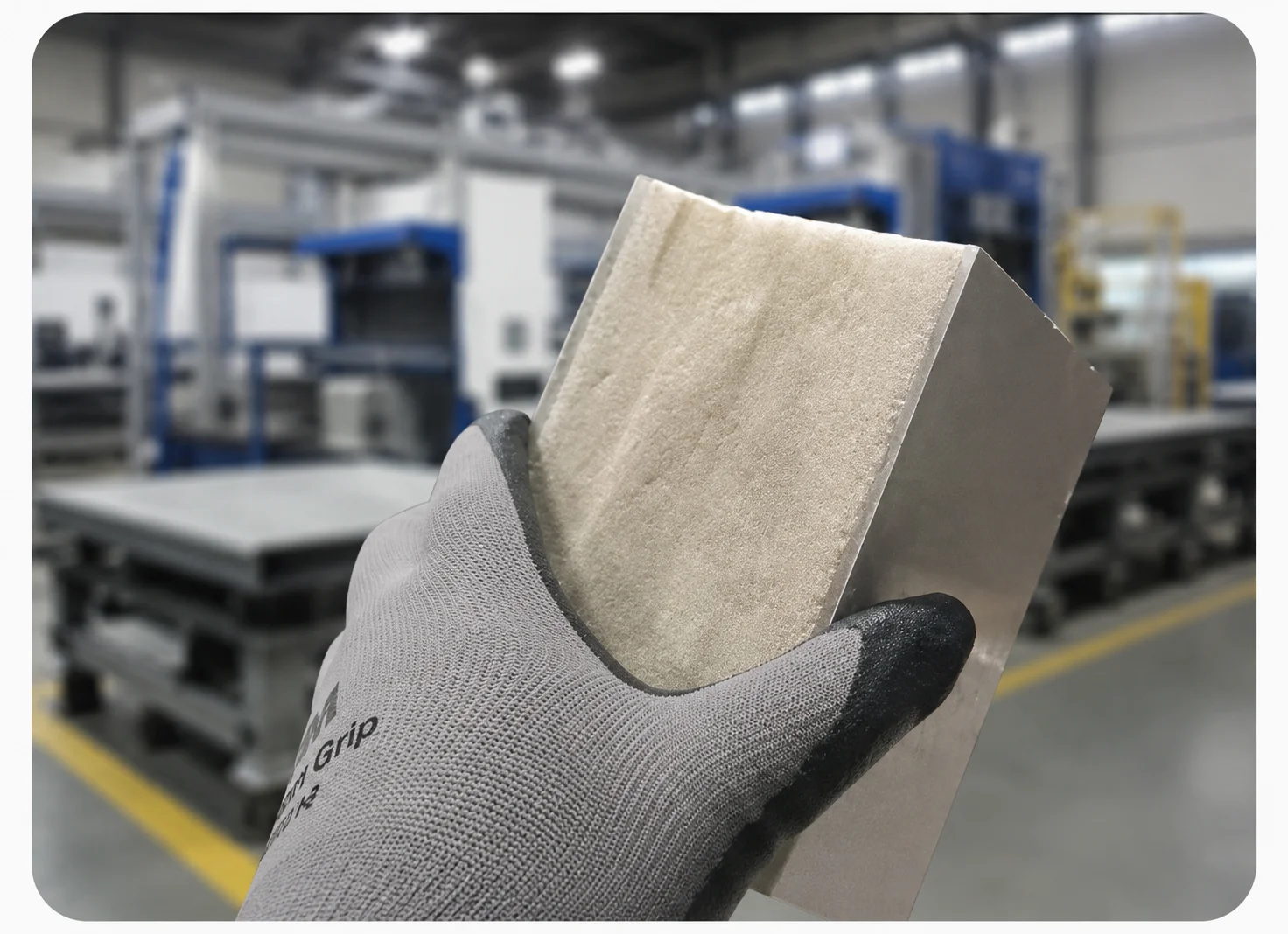
One number controls what you spend on solar: R-value. It sets the heat load, which sets the air conditioner size, which sets the solar array and battery bank. This chain runs before a single dollar enters the conversation. It does not negotiate.
For a 300 sq.ft space under summer sun, the cooling load chain looks like this. Your site, your climate, your window count, and your guests' thermostat settings will shift the numbers. The ratio does not shift.
| Canvas Tent (R-1) | MarsDome (R-28) | |
|---|---|---|
| Peak cooling load | 8,000 – 12,000 BTU/hr | 2,000 – 5,000 BTU/hr |
| AC power draw (24 SEER2 mini-split) | 700 – 900W near-continuous | 400 – 700W intermittent |
| Daily cooling energy | 20 – 35 kWh | 5 – 15 kWh |
| Solar array needed (5 peak sun hours) | 7 – 12 kW | 3 – 7 kW |
| Overnight battery (cooling load) | 10 – 18 kWh | 3 – 7 kWh |
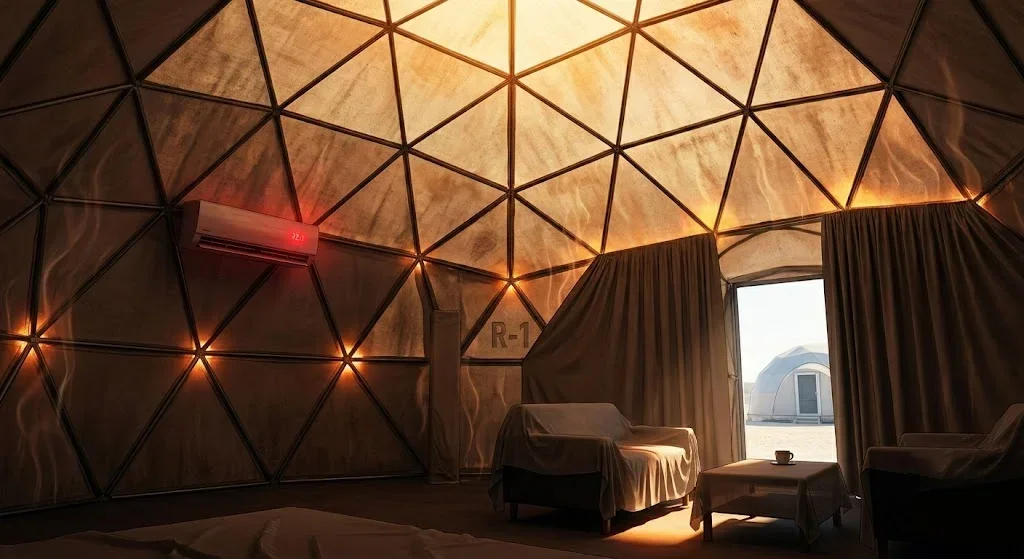
A structure at R-1 requires a 7–12 kW solar array and 10–18 kWh of battery just for summer cooling. A structure at R-28 requires 3–7 kW and 3–7 kWh. At current off-grid installed costs, the difference is $15,000 – $35,000 in equipment you buy before opening. Not a projected savings. Day-one capital.
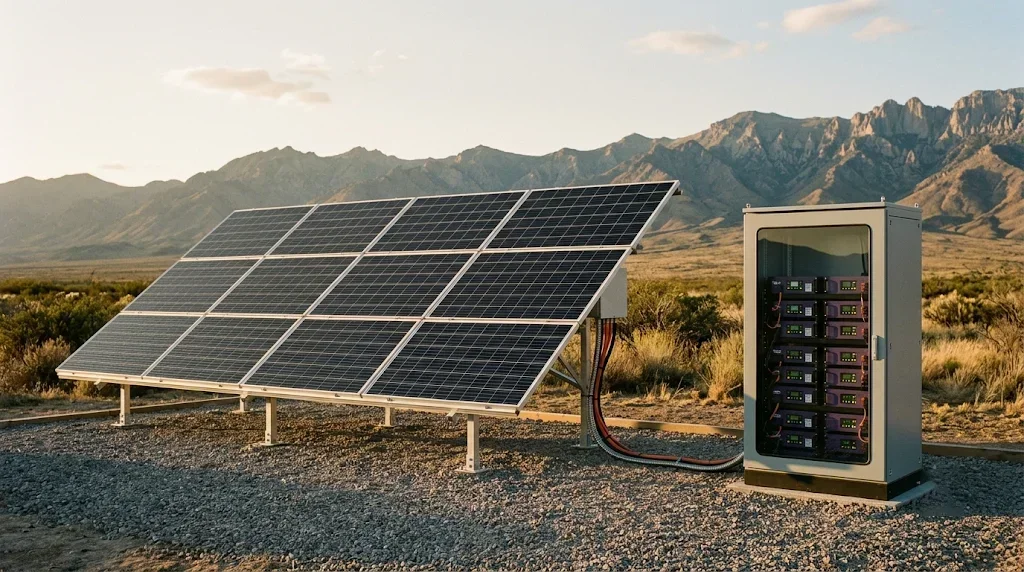
Three costs not on a geodesic dome price tag
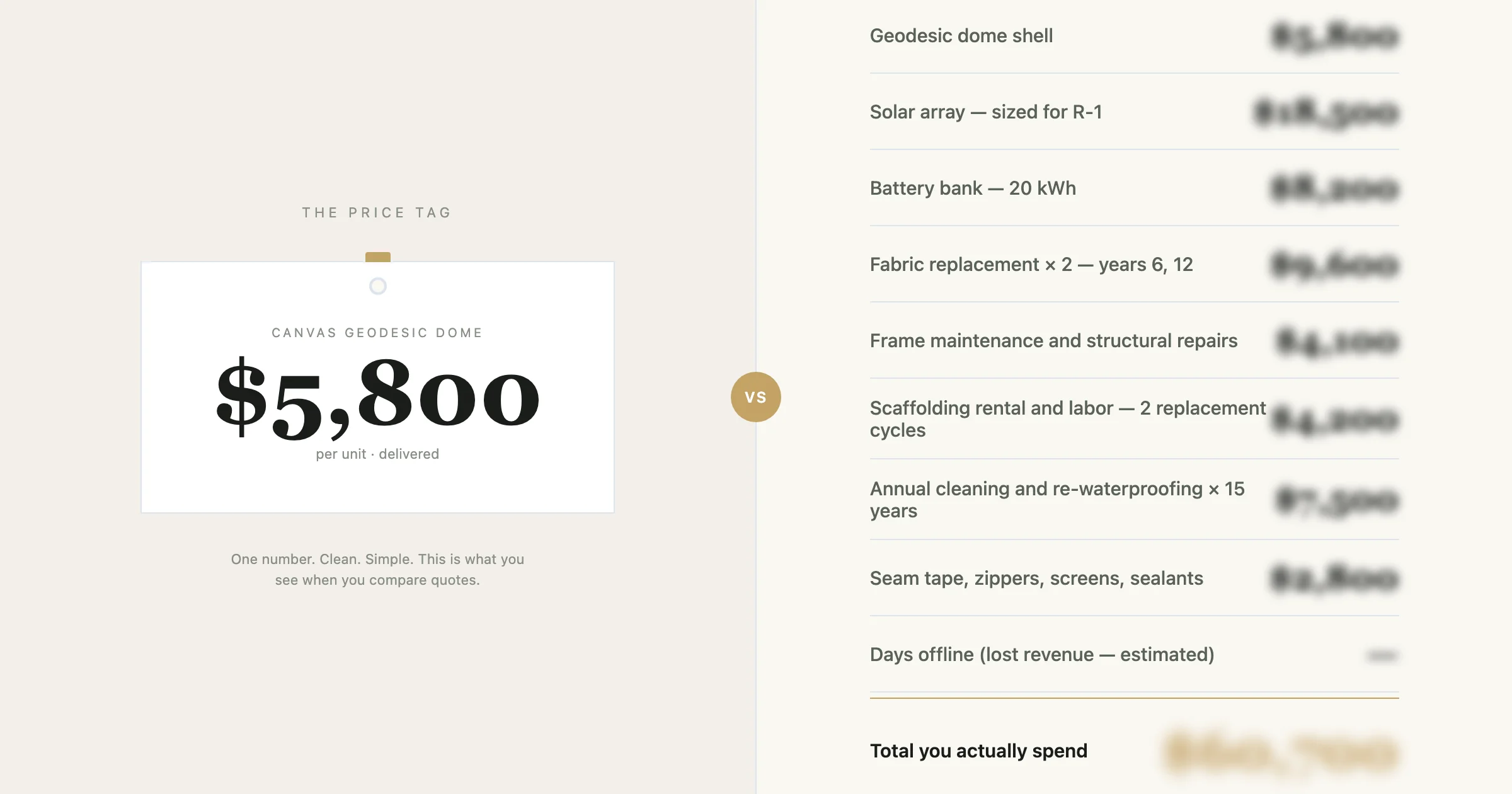
A geodesic dome invoice shows you a number. That number is real. What it does not show is what that structure will cost you after you pay it. Three line items are missing.
1. The solar system it forces you to buy. A canvas geodesic dome at R-1 to R-2 cannot change the physics. The air conditioner runs near-continuously. The array and battery must match. You pay the solar contractor before the first guest checks in. The geodesic dome invoice does not show this number.
2. Annual cleaning and re-waterproofing. Canvas exposed to sun, rain, and guest use needs cleaning and re-treatment at least once a year. Skip it, and the fabric degrades faster. A commercial site cannot skip it.
3. The fabric you replace every 5–8 years. Even with regular maintenance, canvas degrades under UV. Seam tape fails. Zippers and screens give out. Each replacement cycle costs money and takes the unit offline. Over 15 years, two to three replacement cycles.
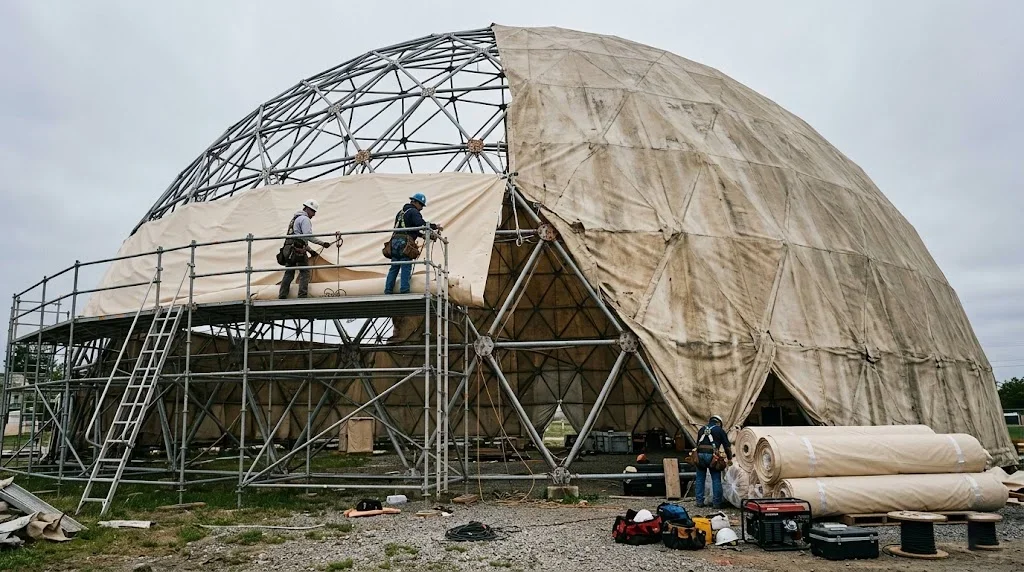
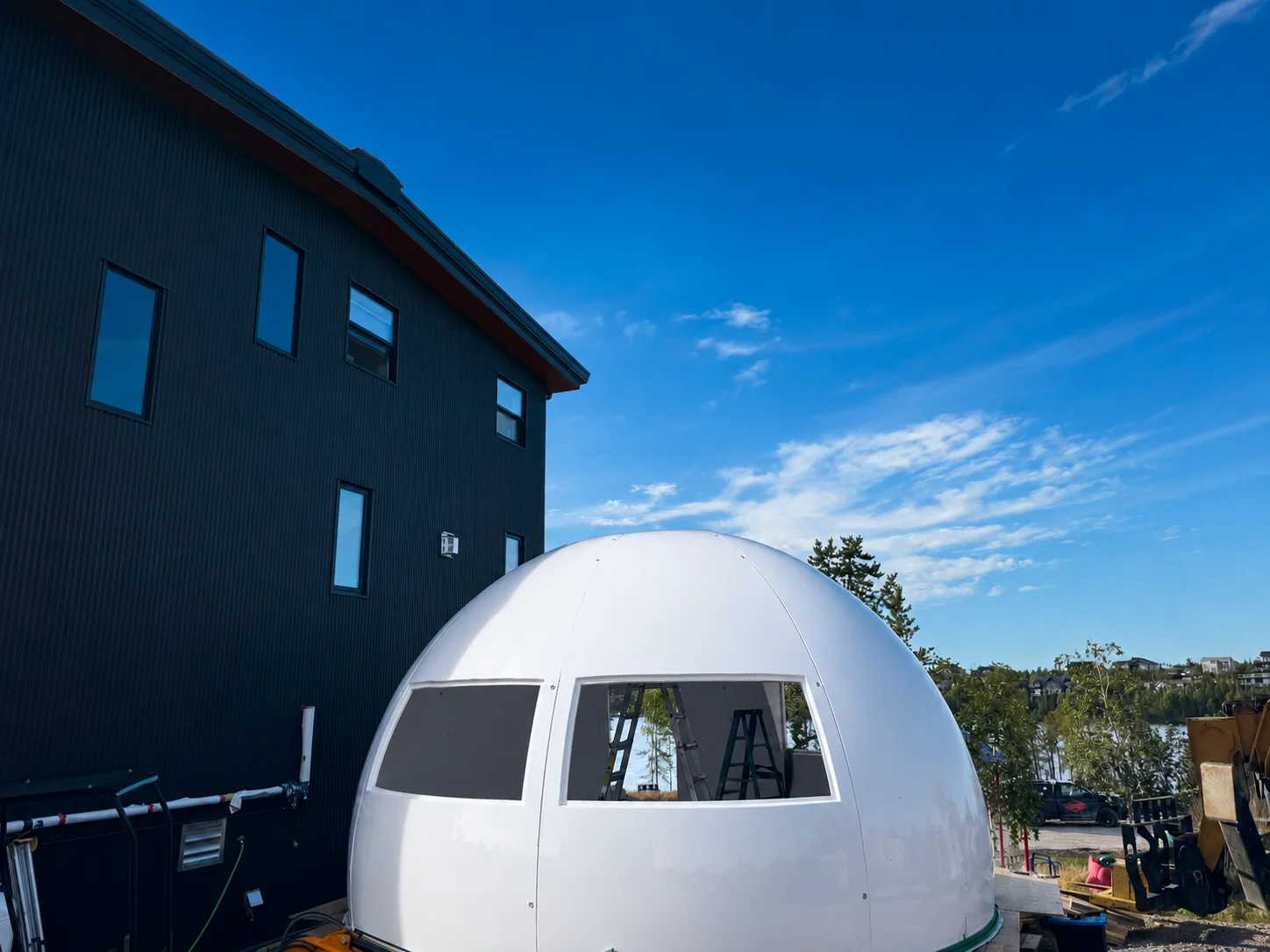
MarsDome has no fabric, no frame, and no seam tape. The composite shell does not rot, rust, or mold. 50-year design life. FRP and closed-cell PU foam — same material class as boat hulls and chemical storage tanks.
The spreadsheet
You have seen the spreadsheet. Payback in 2.3 years. 18% IRR. Electricity rates from a utility on the other side of the country.
Three things it does not mention: the solar array size your structure requires, the cost of replacing the fabric in year 5, and the days the unit sits empty while that fabric gets swapped.
Not an oversight. They know these numbers. They chose the ones that went in.
Start with the specs. Run your numbers.
We will not tell you your payback period. We do not know your land cost, your labor rate, your occupancy, your permit fees, or the distance from the nearest road to your site.
We do know what R-28 means for your solar budget. We do know the difference between replacing fabric and not replacing anything for 50 years.
Your numbers are yours. We provide the engineering data.
Email solutions@marsdomes.com
WhatsApp +86 137 7533 8243